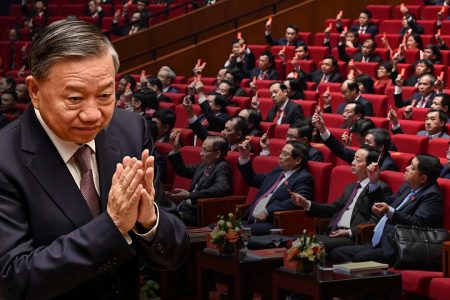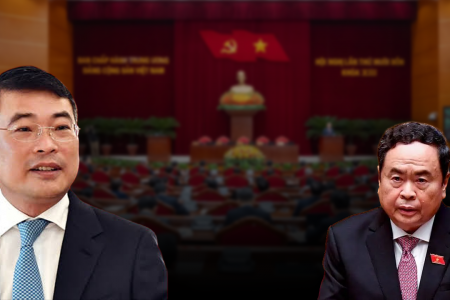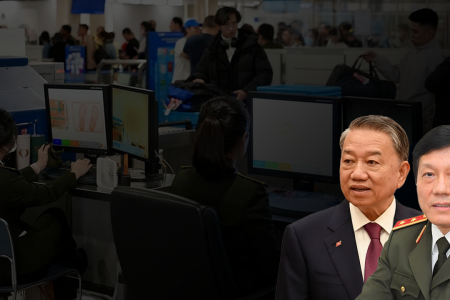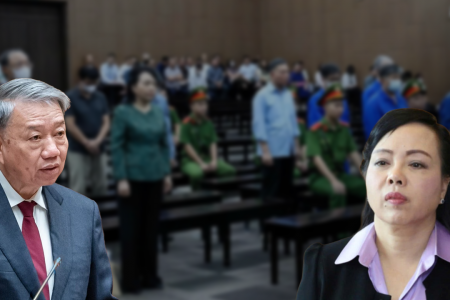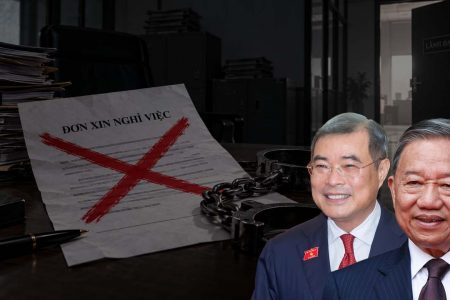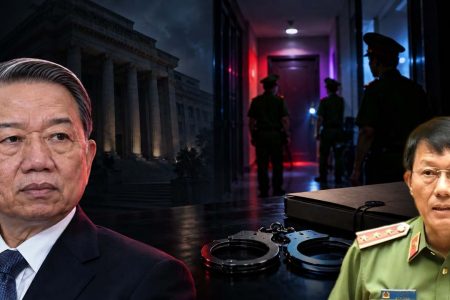
On the afternoon of October 8, 2026, speaking at the closing session of the 4th Plenum of the 14th Central Committee, General Secretary and President To Lam made a statement that drew particular public attention: “To correct ourselves, we must first be able to hear the truth.”
This statement, which appeared open-minded and progressive, immediately faced a wave of deep skepticism from both domestic and international political observers, as it exposed a vast gap between political slogans and the harsh reality of how the administrative apparatus operates in Vietnam.
Accordingly, a government that declares a desire to reform itself by “listening to the truth” cannot function effectively when its own security apparatus maintains a strict legal system against all forms of peaceful dissent.
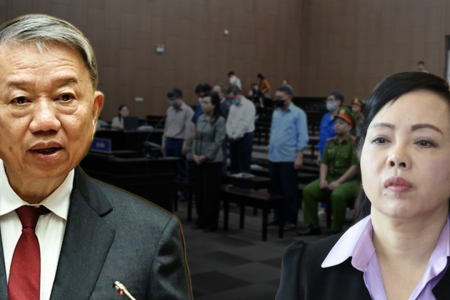
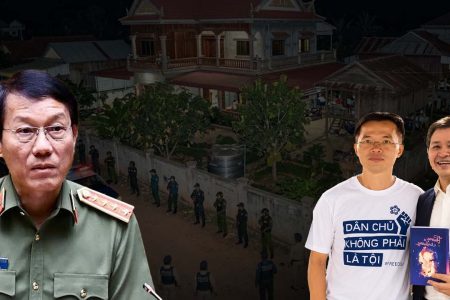
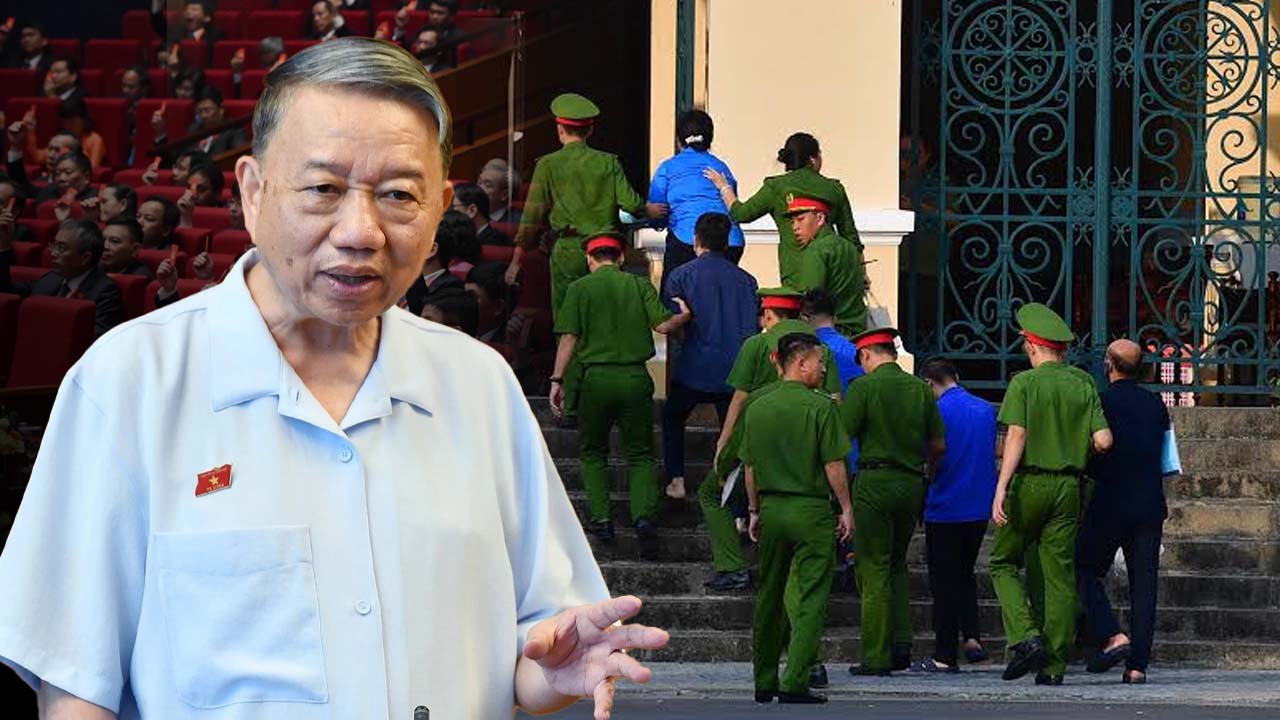
Ironically, even as Mr. To Lam’s flowery messages about openness are being broadcast, in reality, citizens who publicly criticize negative behavior, independent journalists who strive to investigate misconduct, or those who express dissenting political views still face the risk of fines, arrest, and prosecution.
When the line between constructive criticism and vague criminal charges—such as Articles 117 or 331 of the Criminal Code—is blurred, public fear will stifle society’s need to speak the truth.
The question for Mr. To Lam is: When independent critical voices are silenced, and those who dare to speak against the leadership are labeled “reactionaries” in need of punishment, from what source will the head of the government hear the truth?
Will that truth come from rosy achievement reports crafted by opportunistic subordinates, from the state’s one-sided media system that knows only how to praise, or from lower-level officials who do nothing but clap and bow in obedience?
A one-party power system operating in a closed loop—where subordinates deceive their superiors while the people are stripped of their right to oversight—is precisely the “gray area” that fosters corruption, abuse of power, moral decay, and irresponsibility in public service.
When the truth is punished, the system automatically self-purges in a more negative direction; at that point, opportunists will learn to lie in order to climb the ranks quickly.
Corrupt officials will go to any lengths to cover up their wrongdoings, while those with genuine ability who dare to speak frankly and truthfully will quickly be sidelined by the Party.
The history of macro-governance in every nation has proven that no system can maintain integrity and the capacity for self-correction through mere self-praise or internal rectification campaigns lacking independent external oversight.
If they want to hear the truth, the leaders in Ba Dinh cannot stop at flowery messages delivered at costly and frivolous conferences. Instead, they must implement the most far-reaching and fundamental institutional reforms.
This means effectively guaranteeing freedom of speech and freedom of the press, ending the criminalization of peaceful dissent, and creating a space where independent media can investigate corruption without fear of retaliation.
According to international analysts, the truth is not a privilege to be bestowed, nor does it require the permission of leaders to exist.
The truth must be protected by law, by independent democratic institutions, and by the people’s right to public oversight.
If the regime continues to maintain a monopoly on power, silence dissenting voices, and view opposing opinions as a threat to regime security, then General Secretary To Lam’s call to “listen to the truth in order to correct ourselves” will remain nothing more than a slogan masking a stifled reality.
Tra My – Thoibao.de